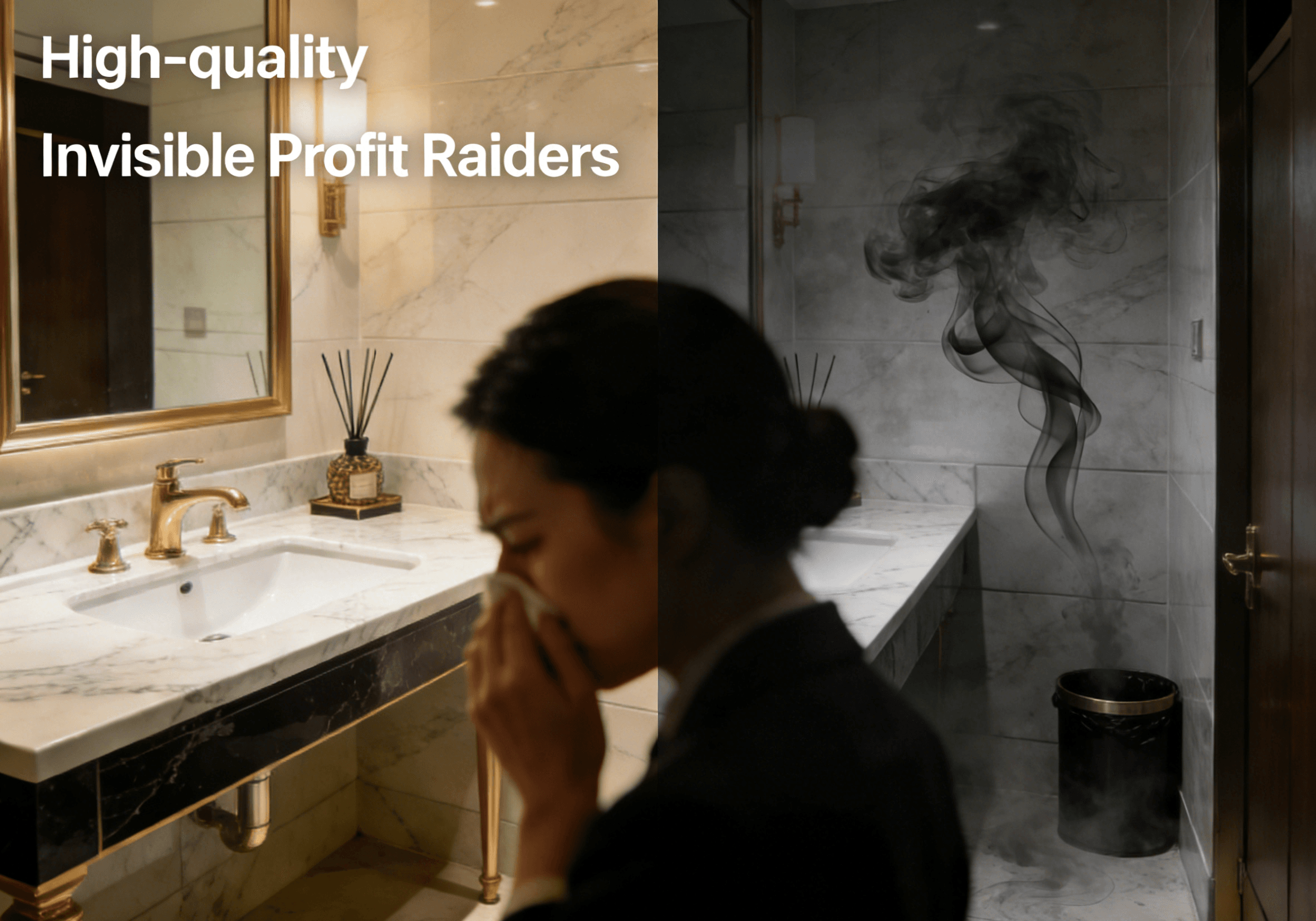
In the bustling world of public commercial spaces, restrooms play a crucial role in shaping the overall experience for customers, employees, and visitors. From the grand lobbies of luxury hotels to the busy corridors of shopping malls, from the high – traffic areas of airports to the functional spaces of office buildings, the state of the restroom can have a significant impact on the perception of the entire establishment. One of the most persistent and challenging issues that plagues public commercial restrooms is the problem of foul odors. This not only creates an unpleasant environment but also has implications for health, customer satisfaction, and the bottom line of businesses.
The Prevalence of Odor Problems in Public Commercial Restrooms
Hotels and Resorts
Hotels strive to provide a luxurious and comfortable experience for their guests. However, restroom odors can quickly shatter that illusion. In hotel restrooms, especially those in high – occupancy areas like near the lobby or in the vicinity of event spaces, the combination of high usage, improper ventilation, and the presence of various types of waste can lead to strong and persistent odors. Guests may be deterred from using the facilities, and negative reviews can spread rapidly, affecting the hotel’s reputation and future bookings. For example, a 5 – star hotel in a major city received multiple complaints on travel review platforms about the foul smell in its public restrooms. This led to a decline in the hotel’s rating and a subsequent dip in occupancy rates as potential guests were hesitant to book due to these reported issues.
Shopping Malls and Retail Centers
Shopping malls are visited by thousands of people daily. The restrooms in these malls are constantly in use, and the problem of odors is magnified. The large number of users, combined with the fact that many mall restrooms are located in interior spaces with limited natural ventilation, creates an ideal environment for odors to build up. The smell can permeate the surrounding areas, affecting the shopping experience of customers. Retailers located near restrooms may also suffer as the unpleasant odor can drive customers away from their stores. A study conducted in a large shopping mall found that stores located within 50 feet of restrooms with odor problems experienced a 15 – 20% decrease in foot traffic compared to stores in odor – free areas.
Airports and Transportation Hubs
Airports are some of the busiest public spaces in the world. Passengers often spend long hours waiting for their flights, and clean and odor – free restrooms are essential for their comfort. However, the high volume of travelers, the constant use of restroom facilities, and the complex ventilation systems in airports make it difficult to control odors. Odors in airport restrooms can also be a concern for international travelers, as it can create a negative first impression of the destination country. In addition, transportation hubs like bus and train stations face similar issues, with the added challenge of dealing with a transient population and limited resources for maintenance. For instance, a major international airport had to invest a significant amount of money in emergency deep – cleaning and odor – control measures after receiving numerous complaints from passengers about the intolerable smell in its restrooms. This not only disrupted normal operations but also cost the airport in terms of both money and reputation.
Office Buildings
In office buildings, employees spend a significant portion of their workday using the restroom facilities. Foul odors in these restrooms can lead to decreased productivity, as employees may be distracted or reluctant to use the facilities. It can also create a negative work environment, affecting employee morale. In addition, office buildings often host clients and visitors, and restroom odors can reflect poorly on the company’s professionalism. A recent survey of office workers found that 70% of respondents reported being less productive when the restrooms in their office building had unpleasant odors.


The Sources of Odors in Public Commercial Restrooms
Urine and Fecal Matter Decomposition
The decomposition of urine and fecal matter is one of the primary sources of odors in restrooms. When urine and feces are not properly flushed or cleaned, bacteria break down the organic matter, releasing a variety of foul – smelling gases. Ammonia is a common by – product of urine decomposition, and it has a sharp, pungent odor that can be very unpleasant. In addition, fecal matter contains a complex mixture of bacteria and other microorganisms that produce odorous compounds such as hydrogen sulfide, which has a distinct rotten – egg smell, and various volatile organic compounds (VOCs) that contribute to the overall unpleasant odor. In a public restroom with high usage, if the cleaning staff is not able to keep up with the frequency of use and thoroughly clean the toilets, urinals, and surrounding areas, these odors can quickly become overwhelming.
Inadequate Ventilation
Proper ventilation is essential for removing stale air and odors from restrooms. However, many public commercial restrooms suffer from inadequate ventilation systems. In some cases, the ventilation ducts may be too small or blocked, preventing the efficient flow of air. In other cases, the exhaust fans may not be powerful enough to remove the large volume of air contaminated with odors. Without sufficient ventilation, the odors become trapped in the restroom, causing the smell to intensify. In addition, poor ventilation can also lead to increased humidity levels, which further promotes the growth of bacteria and mold, contributing to additional odors. A study of restrooms in office buildings found that those with poor ventilation had odor levels that were 3 – 5 times higher than restrooms with proper ventilation.
Moisture and Mold Growth
The damp environment in restrooms makes them prone to mold growth. Moisture accumulates on walls, floors, and fixtures due to water splashing during hand – washing, showering (in some cases), and the natural humidity in the air. Mold thrives in these conditions and produces a musty odor that can be difficult to eliminate. Mold spores can also be released into the air, causing respiratory problems for those exposed to them. In addition to mold, mildew can also grow in restrooms, contributing to a similar musty smell. In a hotel restroom that had a leaky pipe, mold began to grow on the walls and ceiling. Despite attempts to clean the area, the musty odor persisted, and guests reported discomfort when using the restroom.
Cleaning Product Residues
While cleaning products are essential for maintaining restroom hygiene, improper use or the use of low – quality products can sometimes contribute to odors. Some cleaning products contain strong chemicals that can leave behind a lingering smell, especially if they are not properly rinsed off. In addition, when certain cleaning products react with the substances in the restroom, such as urine or feces, they can produce unpleasant odors. For example, using a chlorine – based cleaner in a restroom with a high concentration of ammonia from urine can create a dangerous and pungent gas mixture. Moreover, the residue from some air fresheners used in restrooms can also contribute to a synthetic, unpleasant smell when combined with other odors present.
The Impact of Odors on Different Stakeholders in Public Commercial Spaces
Impact on Customers and Visitors
For customers and visitors, restroom odors can significantly affect their overall experience. A foul – smelling restroom can create a negative impression of the entire establishment, leading to decreased customer satisfaction and loyalty. In extreme cases, it can even cause customers to avoid the business altogether. In a shopping mall, a customer who encounters a smelly restroom may be less likely to return to that mall in the future. This not only affects the individual retailer’s sales but also the mall’s reputation as a whole. According to a consumer survey, 60% of respondents said they would be less likely to recommend a business to others if they experienced a smelly restroom during their visit.
Impact on Employees
Employees who work in areas with smelly restrooms can also be affected. The unpleasant odor can lead to discomfort, distraction, and even health problems over time. This can result in decreased productivity and increased absenteeism. In an office building, employees may be reluctant to take breaks or use the restroom facilities, which can disrupt their workflow. In addition, if employees are constantly exposed to foul odors, it can lead to respiratory issues and other health concerns. A study of office workers found that those exposed to restroom odors for extended periods reported higher levels of stress and lower job satisfaction.
Impact on the Business Bottom Line
The impact of restroom odors on the business bottom line is significant. Negative customer experiences can lead to a decrease in sales, as customers may choose to take their business elsewhere. In addition, the cost of addressing odor problems, such as increased cleaning efforts, hiring professional odor – control services, or upgrading ventilation systems, can be substantial. For example, a hotel may need to invest in expensive deep – cleaning equipment and hire additional staff to combat restroom odors. Moreover, the damage to the business’s reputation can be long – lasting, making it more difficult to attract new customers. A well – known restaurant had to close temporarily for renovations after receiving numerous complaints about restroom odors. During the closure, they lost significant revenue, and it took months for them to regain their previous customer base.
Traditional Approaches to Odour Control and Their Limitations
Air Fresheners and Deodorizers
Air fresheners and deodorizers are one of the most commonly used methods to combat restroom odors. These products typically work by masking the unpleasant smell with a more pleasant fragrance. However, they do not address the root cause of the odor. The fragrance may only last for a short period, and once it dissipates, the original odor returns. In addition, some air fresheners contain chemicals that can be harmful to the environment and human health. For example, aerosol – based air fresheners can release volatile organic compounds (VOCs) into the air, which can contribute to air pollution and respiratory problems. A study found that the use of air fresheners in restrooms only provided a temporary solution, and the odor levels returned to their original state within a few hours.
Regular Cleaning and Disinfection
Regular cleaning and disinfection are essential for maintaining restroom hygiene, but they may not be sufficient to completely eliminate odors. While cleaning can remove visible dirt and some of the sources of odor, it may not reach all the hidden areas where bacteria and other odor – causing agents can accumulate. For example, bacteria can grow in the cracks and crevices of toilets, urinals, and floors, and standard cleaning methods may not be able to effectively clean these areas. In addition, if the cleaning products used are not appropriate or if the cleaning process is not thorough enough, odors can still persist. A case study of a shopping mall restroom showed that even with daily cleaning, the odor problem persisted due to improper cleaning techniques and the use of ineffective cleaning products.
Ventilation Improvements
Improving ventilation is a more effective way to reduce restroom odors, but it also has its limitations. Installing larger exhaust fans or improving the ventilation ducts can help remove stale air and odors from the restroom. However, in some cases, the building’s structure or existing infrastructure may make it difficult or expensive to make significant ventilation improvements. In addition, even with improved ventilation, if the sources of odor are not properly addressed, the odors may still linger. For example, if there is a problem with the sewer system or if there is a large amount of mold growth in the restroom, ventilation alone may not be enough to eliminate the smell. A study of an office building found that while increasing the ventilation rate helped reduce odor levels, it did not completely solve the problem, as the underlying sources of odor were still present.
The XLOO Toilet Seat: A Revolutionary Solution
How the XLOO Toilet Seat Works
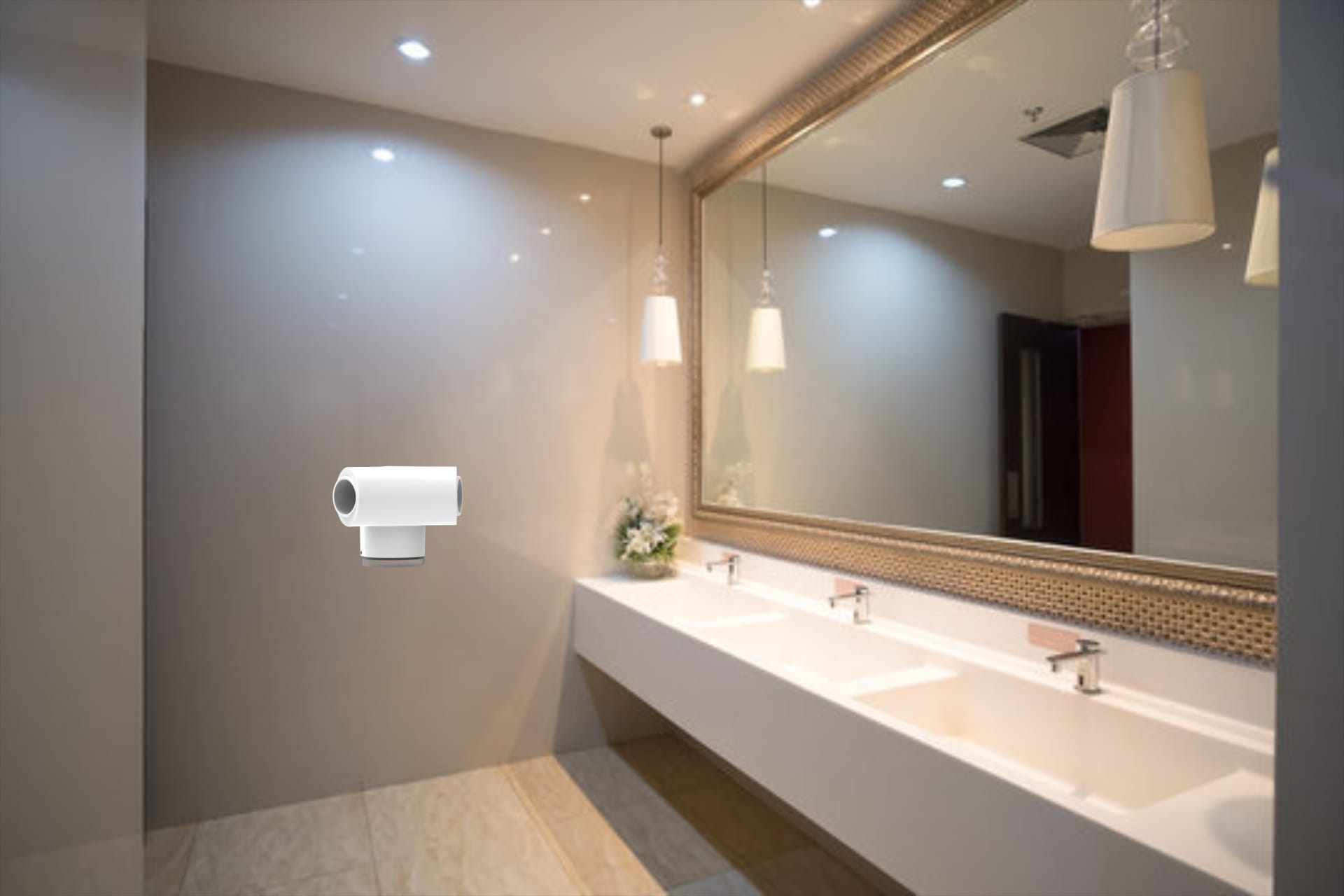
The XLOO Toilet Seat is a game – changer in the world of restroom odor control. It uses patented ozone generator technology to eradicate odors directly from the source. When a user sits down on the toilet, the system automatically activates. An extractor fan kicks in, sucking in the foul air from the toilet bowl. This air is then passed through the state – of – the – art ozone purifier, which features ozone generators. Ozone is a powerful oxidizing agent that reacts with the odor – causing molecules in the air, breaking them down and neutralizing the smell. The purified air is then expelled back into the toilet bowl. The system is most effective when the toilet lid is closed, as this allows for a more contained and efficient air – purification process.
Key Features and Benefits
Odour Elimination: The XLOO Toilet Seat’s ozone – based technology provides a highly effective solution for odor elimination. It can quickly and efficiently remove even the most stubborn odors, leaving the restroom smelling fresh. In a test conducted in a high – traffic public restroom, the installation of XLOO Toilet Seats reduced odor levels by over 80% within the first week of use.
Universal Fit: Designed with a universal fitting system, the XLOO Toilet Seat can be easily attached to any standard – sized toilet bowl. It comes with an easy – to – install, no – tools – needed bracket that allows for quick snapping on or off the toilet bowl. This makes it a convenient option for both new installations and retrofitting existing restroom facilities.
Battery – Powered: The XLOO Toilet Seat is powered by lithium – ion batteries, eliminating the need for a power source within the bathroom. Each product comes with 2 sets of batteries and a charger, with each set lasting up to 30 days on a full charge. This not only provides flexibility in installation but also reduces the risk of electrical hazards in a wet environment like a restroom.
Environmentally Friendly: By using ozone to purify the air, the XLOO Toilet Seat offers an environmentally friendly alternative to traditional air – freshening methods. It does not release harmful chemicals into the air, and the use of rechargeable batteries further reduces its environmental impact.
Cost – Effective: In the long run, the XLOO Toilet Seat is a cost – effective solution. It eliminates the need for frequent purchases of air fresheners and reduces the cost of intensive cleaning efforts. The long – lasting battery life and low maintenance requirements also contribute to its cost – effectiveness.
Technical Details and Certification
Case Studies of XLOO Toilet Seat Implementation in Public Commercial Spaces
Hotel Case Study
A mid – sized hotel in a popular tourist destination was facing significant complaints about the odor in its public restrooms. Despite regular cleaning and the use of air fresheners, the problem persisted. After installing XLOO Toilet Seats in all of its restrooms, the hotel noticed a dramatic improvement. Guests reported a much more pleasant restroom experience, and the number of complaints about restroom odors dropped to zero. In addition, the hotel was able to reduce its spending on air fresheners and additional cleaning services, resulting in cost savings. The positive impact on guest satisfaction also led to an increase in positive reviews on travel review platforms, which in turn helped to boost the hotel’s occupancy rates.
Shopping Mall Case Study
A large shopping mall with multiple restroom areas was struggling with persistent odor problems. The mall management decided to install XLOO Toilet Seats in a pilot area consisting of several restrooms. The results were impressive. The once – smelly restrooms now had a fresh and clean smell. Customers in the area reported a more enjoyable shopping experience, and retailers in the vicinity noticed an increase in foot traffic. Encouraged by these results, the mall management decided to roll out the installation of XLOO Toilet Seats to all of its restrooms. This not only improved the overall environment of the mall but also enhanced its reputation as a clean and customer – friendly shopping destination.
Office Building Case Study
An office building with a large number of employees was facing issues with restroom odors affecting employee morale and productivity. After installing XLOO Toilet Seats, employees reported a significant improvement in the restroom environment. The unpleasant odors were replaced with a fresh smell, and employees were more comfortable using the facilities. This led to an increase in productivity, as employees were no longer distracted by the smell. In addition, the building management was able to save on the cost of frequent air freshener purchases and extra cleaning services. The positive impact on employee satisfaction also contributed to a more positive work environment.
The Market Potential for XLOO Toilet Seats in the Public Commercial Sector
Growth Projections for the Toilet Seat Market
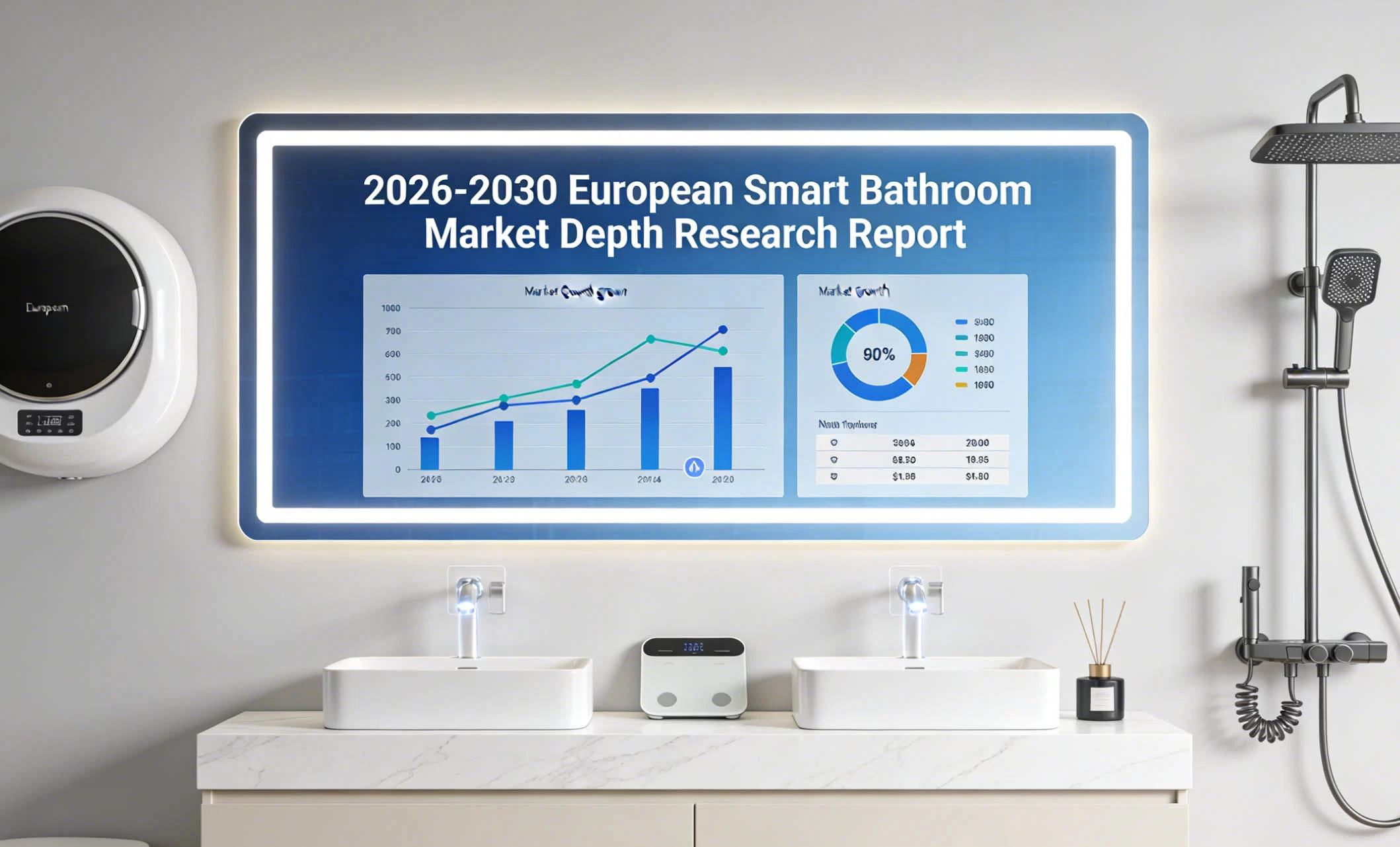
The global toilet seat market is expected to witness significant growth in the coming years. According to market research reports, the market was valued at a certain amount in 2024 and is projected to grow at a compound annual growth rate (CAGR) of around 6.5% over the forecast period, reaching a much higher value by 2033. This growth is driven by factors such as increasing population, rapid urbanization, and a growing focus on hygiene and comfort in public and commercial spaces. The demand for innovative toilet seat solutions, such as the XLOO Toilet Seat, is expected to contribute significantly to this growth.
Increasing Awareness of Hygiene and Comfort in Public Spaces
With the ongoing global emphasis on hygiene, especially in the wake of the COVID – 19 pandemic, there is a growing awareness of the importance of clean and odor – free restrooms in public commercial spaces. Customers, employees, and visitors are increasingly demanding high – quality restroom facilities. The XLOO Toilet Seat, with its advanced odor – control technology and focus on hygiene, is well – positioned to meet this growing demand. In addition, the comfort factor provided by the XLOO Toilet Seat, such as its easy – to – use features and the fresh – air experience, also appeals to users who are looking for a more pleasant restroom experience.
Competitive Advantage of XLOO Toilet Seats
Compared to traditional toilet seats and other odor – control solutions in the market, the XLOO Toilet Seat offers several competitive advantages. Its patented ozone generator technology provides a more effective and long – lasting solution for odor elimination. The universal fit and easy – installation features
Here’s How to Take Action Today:
Schedule a Free Demo: Witness XLOO’s odor-eliminating power in a live setting tailored to your clients’ spaces (hotels, malls, airports, etc.).
Access Exclusive Bulk Pricing: Secure preferential rates for large-scale orders, designed to maximize your profit margins as a distributor.
Get Customized Solutions: Our team will work with you to create a deployment strategy that fits diverse restroom layouts and usage intensities.
Don’t let invisible odors continue to erode your clients’ revenue and reputation. The XLOO Toilet Seat isn’t just a product—it’s a strategic investment in customer retention and brand excellence.