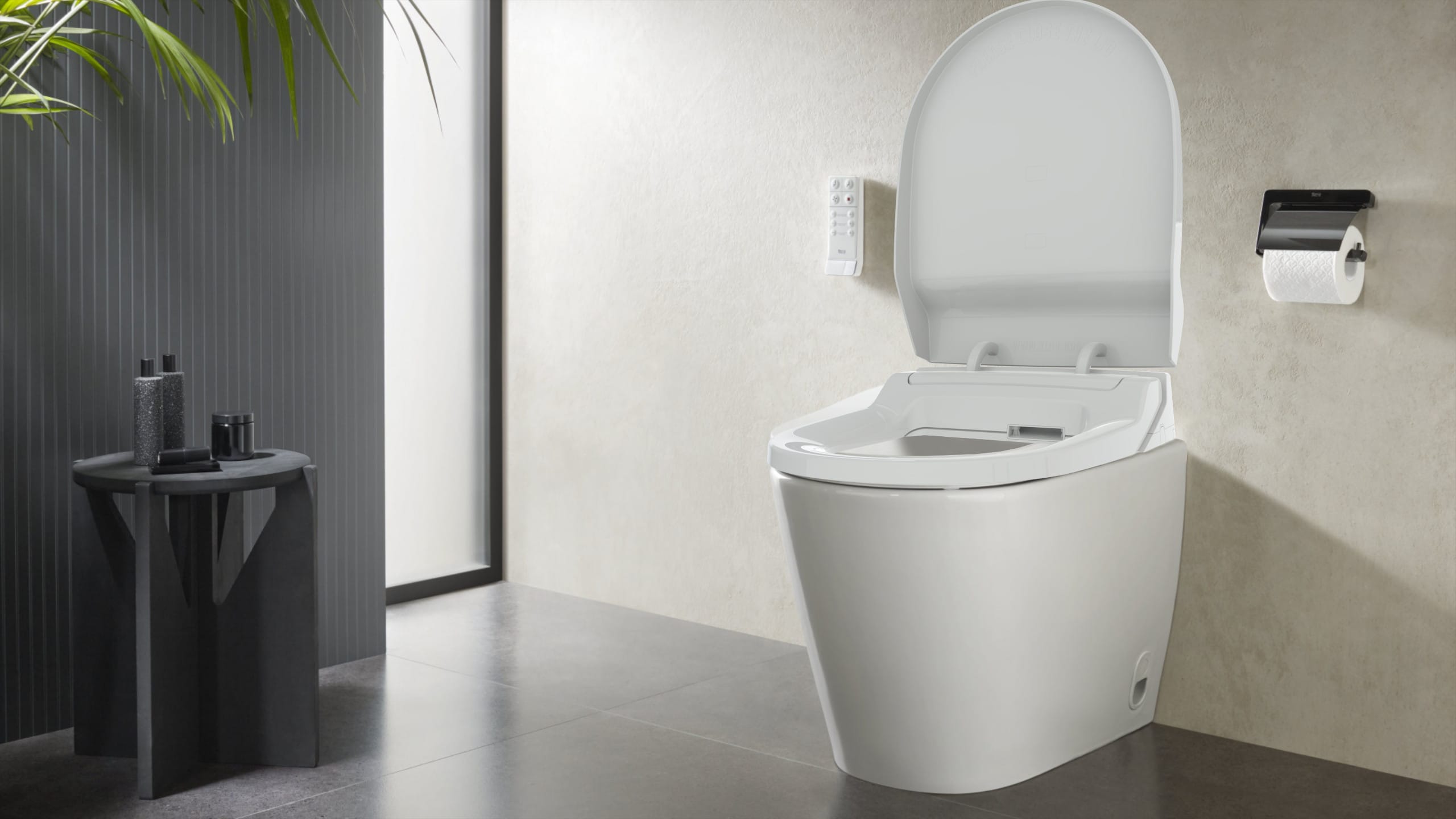
In home hygiene management, the cleanliness of the bathroom is directly related to the health and quality of life of its occupants. As one of the most frequently used fixtures in the bathroom, the cleaning and maintenance of the toilet are particularly important. However, many people tend to overlook the proper care of the toilet seat, leading to scratches, discoloration, and even damage to its surface. This article will delve into how to effectively protect and clean your toilet seat, with a special recommendation for an eco-friendly and efficient cleaning tool—the cellulose sponge. This guide is supported by authoritative knowledge from chemistry, physics, and microbiology to help you solve cleaning challenges from their very root.
The Unseen Threat – “Toilet Plume” and Bathroom Hygiene
Before we discuss cleaning, we must first understand an invisible health threat—the “Toilet Plume.”
Phenomenon Explained: When flushing, the powerful water vortex inside the toilet bowl atomizes water and waste, spraying a large number of aerosol particles carrying microorganisms upwards. From a fluid dynamics perspective, the velocity of these particles can reach up to 2 meters per second, allowing them to rise to a height of 1.5 meters above the toilet bowl in just a few seconds.
Pathogen Transmission: These aerosols are not clean water mist; they carry a large number of pathogens from waste, such as E. coli, Salmonella, Norovirus, and even SARS-CoV-2. These tiny particles can remain suspended in the air for several minutes to hours, eventually settling on various bathroom surfaces like toothbrushes, towels, and countertops, posing a potential health risk.
Protective Measures: Studies have confirmed that closing the toilet lid before flushing is the simplest and most effective measure to prevent the spread of the “toilet plume.” This action significantly reduces the number of aerosol particles ejected into the air. One study found that flushing with the lid closed can reduce the number of airborne C. difficile bacteria by nearly 90%. Although the lid cannot create a perfect seal, and a small number of particles (especially smaller viruses) may still escape from the gaps, closing the lid remains a crucial and highly recommended hygiene habit.
Understanding this background helps us better appreciate the importance of keeping the toilet and its seat clean.
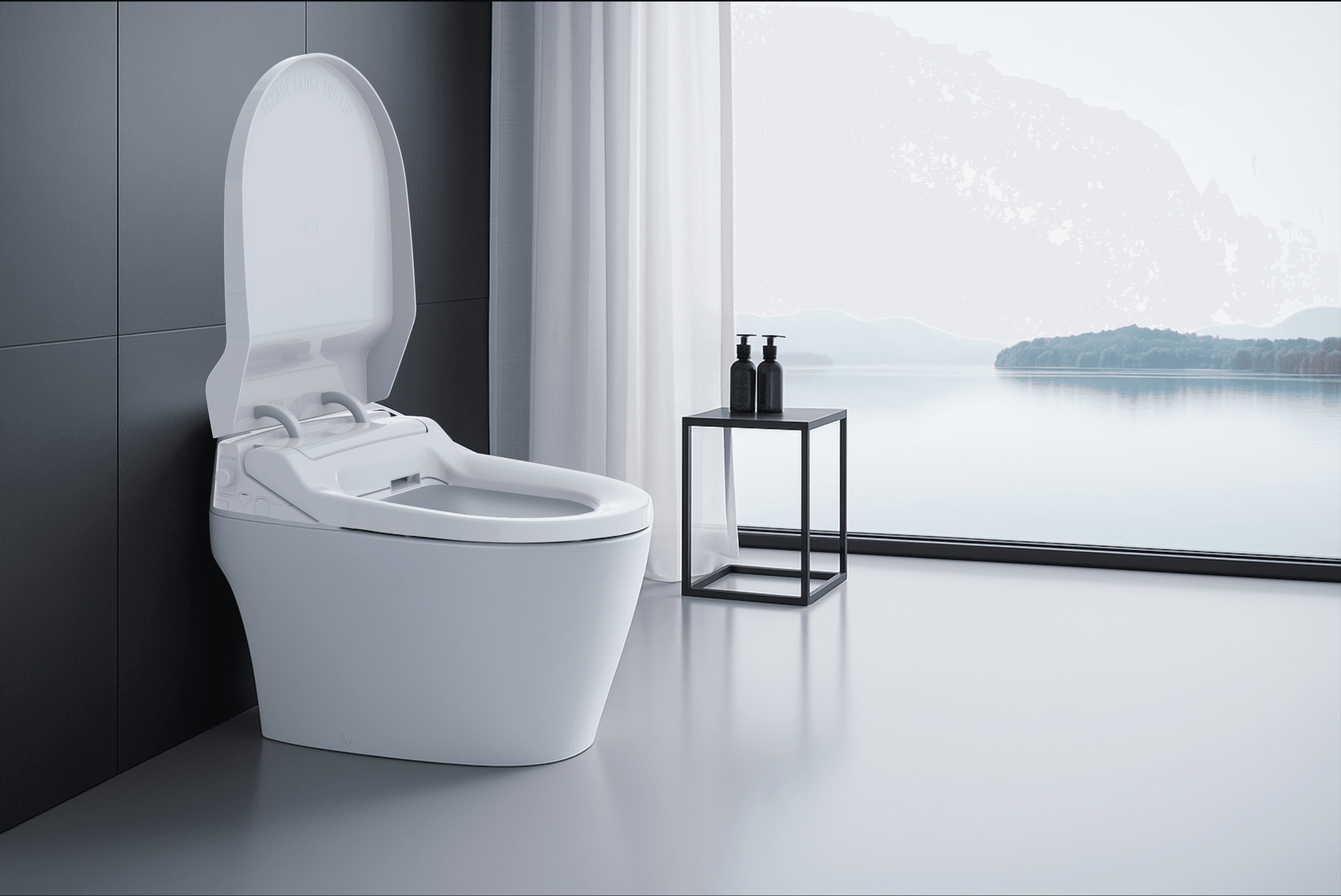
Understanding Your Toilet Seat – Why Is It So “Fragile”?
Before starting to clean, it is crucial to understand the material of your toilet seat and its “enemies.” Most toilet seats on the market are made of polymer materials such as polypropylene (PP), ABS plastic, or urea-formaldehyde (UF). While these materials offer a degree of durability, they share a common weakness: they are not resistant to scratches and corrosion from strong chemicals.
Common Causes of Damage:
Chemical Corrosion: Strong acidic or alkaline cleaners, such as toilet bowl cleaners and 84 Disinfectant, can corrode the surface of the toilet seat, causing it to lose its luster, discolor, turn yellow, or even become brittle. Some cosmetics, like nail polish and aftershave, can also damage the surface if they come into contact with it.
Physical Scratches: Using steel wool, hard-bristled brushes, scouring pads, or even dry toilet paper for wiping can leave fine scratches on the smooth surface of the toilet seat. These scratches not only affect its appearance but also become breeding grounds for dirt and bacteria, making cleaning more difficult.
Improper Usage Habits: Placing heavy objects (like water buckets or flower pots) on the toilet lid or leaning back on it when it is not securely installed can cause the lid to crack or break.
Debunking Common Myths – Why Your Cleaning Methods Might Be Making Things Dirtier
Many households make common mistakes when cleaning their toilets. These practices not only fail to achieve the desired cleaning effect but can also cause permanent damage to the toilet seat.
Myth 1: Overusing Harsh Cleaners – The Culprit of Chemical Damage
While strong acidic, alkaline, or chlorine-based cleaning products can quickly remove stubborn stains from inside the toilet bowl, they are absolutely not suitable for cleaning the toilet seat. These chemicals will destroy the protective layer of the seat, causing it to become dull, yellow, and even brittle.
| Prohibited Category | Specific Chemical Examples | Specific Damage to Toilet Seat Materials (Plastic/Urea-Formaldehyde) |
| Strong Acidic Cleaners | Hydrochloric Acid (HCl), Citric Acid, Oxalic Acid | Corrosion & Embrittlement: Strong acids attack the polymer chains, causing them to hydrolyze and break. This makes the material brittle, reduces its strength, and causes permanent loss of gloss and discoloration. |
| Strong Alkaline Cleaners | Sodium Hydroxide (NaOH, also known as Caustic Soda) | Dissolution & Corrosion: Strong alkalis can corrode the polymer itself, especially ABS and urea-formaldehyde, leading to a loss of gloss, a sticky surface, or even dissolution. |
| Chlorine-Based Compounds | Sodium Hypochlorite (main component of bleach/84 Disinfectant) | Discoloration, Aging & Embrittlement: Chlorine is a strong oxidizing agent that destroys the molecular structure of plastic, breaking down color molecules (causing fading or yellowing) and polymer chains, which makes the material brittle and shortens its lifespan. |
| Organic Solvents | Acetone, Alcohol, Banana Oil | Swelling, Dissolution & Cracking: These solvents can penetrate and dissolve certain plastics (e.g., acetone has a strong dissolving effect on ABS), causing the surface to soften, deform, or wrinkle. |
Myth 2: Using Abrasive Tools and Dry Wiping – The Source of Physical Damage
Japanese housekeeping experts and manufacturers like TOTO explicitly state that you should never dry-wipe a toilet seat. There are profound physical principles behind this advice.
Micro-scratches: Seemingly soft dry toilet paper or cloths are rough on a microscopic level. When used to wipe forcefully, they, along with tiny dust particles on the surface (like quartz micro-particles), act like sandpaper on the relatively soft plastic surface, creating countless scratches invisible to the naked eye. Over time, these scratches accumulate, causing the lid to lose its gloss and become a “sanctuary” for bacteria and dirt, making cleaning increasingly difficult.
Triboelectric Effect: Plastic is an excellent insulator. When rubbed with a dry cloth or paper towel, electron transfer occurs, causing the toilet seat surface to become electrostatically charged. A charged surface acts like a magnet, strongly attracting suspended dust, hair, and fibers from the air, which makes it “dirtier the more you wipe.”
The Ideal Cleaning Companion – An In-Depth Analysis of Cellulose Sponge
To achieve effective cleaning while perfectly avoiding the chemical and physical damage mentioned above, choosing the right cleaning tool is key. Here, we highly recommend using cellulose sponge products.
A. What is a Cellulose Sponge?
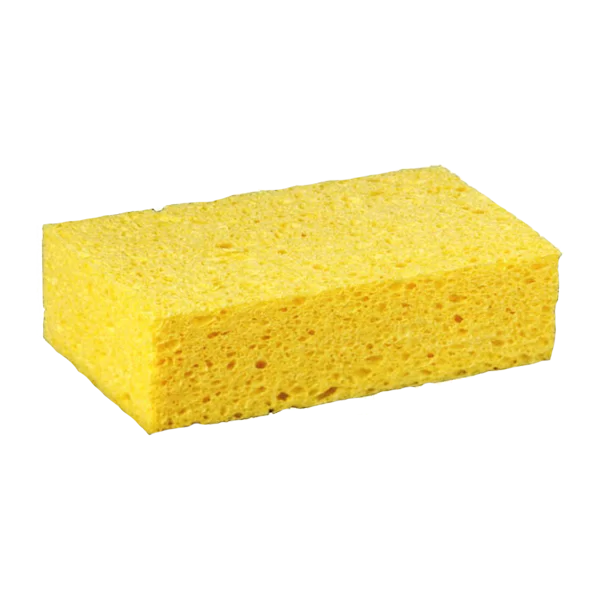
A cellulose sponge is a sponge-like cleaning tool made primarily from natural wood pulp (wood cellulose), sometimes mixed with short fibers like cotton or flax to increase its strength. It is essentially a regenerated cellulose product, contains no plastic, and is a biodegradable, eco-friendly material, widely regarded as an ideal green alternative to traditional petroleum-based synthetic sponges.
B. Why Choose a Cellulose Sponge? – Core Advantages Explained
Extremely Soft, Prevents Scratches: The texture of a wood pulp sponge is incredibly soft and delicate. Its natural fiber structure effectively prevents scratches on sensitive surfaces such as toilet seats, appliances, and non-stick pans. This perfectly solves the problem of physical abrasion caused by “dry wiping” or using rough tools.
Super Absorbent, Eliminates Static: Its unique internal porous structure gives it extremely strong water absorption capabilities, allowing it to absorb more than 10 times its own weight in water through capillary action. This makes it easy to perform a “damp wipe,” using water as a lubricant to reduce friction and carry away dust, fundamentally preventing the generation of static electricity and micro-scratches.
Physical Antibacterial Properties for Better Hygiene: The antibacterial ability of a wood pulp sponge does not come from chemical additives but from its unique physical properties. It creates a “dry” environment unsuitable for bacterial survival through a process of “rapid water absorption → rapid water loss → hardening upon drying.”
The Science: The growth of microorganisms like bacteria requires a sufficiently high “Water Activity” (a_w), typically above 0.91. After use, the open porous structure and huge surface area of a wood pulp sponge allow moisture to evaporate quickly, causing the internal water activity to drop sharply. When the sponge is completely dry and hard, bacteria lacking the necessary moisture cannot metabolize or reproduce, and their growth is effectively inhibited.
Eco-Friendly, Sustainable, and Microplastic-Free: Made from natural, renewable resources like wood pulp, many manufacturers source their pulp from FSC (Forest Stewardship Council) certified forests, ensuring the sustainability of the raw materials. After use, it can be fully biodegraded in a natural environment and will not produce environmentally harmful microplastic particles like plastic sponges do.
Durable and Long-Lasting: By adding reinforcing fibers like cotton or flax, the texture of the wood pulp sponge becomes tough and resistant to damage, allowing for repeated use, making it an economical choice in the long run.
C. Technical and Environmental Assessment: A Deep Dive into the “Past and Present” of Wood Pulp Sponges
Industrial Manufacturing Process (Viscose Process): The production of cellulose sponges typically uses the mature Viscose Process.
Raw Material Preparation: The main raw materials are wood pulp board (providing cellulose), cotton linters (for added toughness), and sodium sulfate crystals (Glauber’s salt, as a pore-forming agent).
Alkalization and Xanthation: The wood pulp is treated with sodium hydroxide (NaOH) and then reacted with carbon disulfide (CS₂) to form soluble cellulose xanthate.
Dissolving and Molding: This is dissolved to form a viscous liquid (“viscose”), which is then mixed with sodium sulfate crystals and injected into molds.
Regeneration and Pore Formation: The mixture is heated in an acid bath, causing the viscose to decompose and regenerate back into cellulose. Simultaneously, the sodium sulfate crystals dissolve and are washed away, leaving behind countless pores that form the sponge structure.
Post-Processing: The final steps involve washing, bleaching, drying, and cutting the sponge blocks into the final products.
Environmental Impact: The Viscose Process requires the use of hazardous chemicals like carbon disulfide, which poses challenges to the environment and worker health. Modern factories manage these risks through closed-loop recycling systems and strict waste gas and water treatment, but the process remains energy-intensive. Nevertheless, the renewable raw materials and complete biodegradability of the final product mean its long-term environmental impact is far less than that of petroleum-based plastic products.
D. Form Face-Off: “Conventional Wet Sponge” vs. “Compressed Cellulose Sheet”
Cellulose sponge products on the market mainly come in two forms, which differ significantly in terms of hygiene and convenience.
| Feature | Conventional Wet Sponge (e.g., block products from 3M and MR.SIGA) | Compressed Cellulose Sheet (e.g., thin sheets in flower/animal shapes on Taobao) |
| Material Composition | 100% natural wood pulp fiber, with a humectant (like magnesium chloride) added to keep it moist. | Pure 100% natural wood pulp fiber, without humectants, processed through dehydration and compression. |
| Drying Speed | Relatively thick and contains a humectant, making it difficult to dry completely internally, which can lead to bacterial growth. | Contains no humectant and dries very quickly. It hardens rapidly after use, effectively inhibiting bacterial reproduction. |
| Bacterial Growth | If it remains damp for a long time, it provides an ideal environment for bacteria to thrive. | In its dry storage state, it is inhospitable to bacteria. Thoroughly air-drying after each use effectively maintains hygiene. |
| Storage Convenience | Bulkier and takes up a certain amount of storage space. | Extremely easy to store as a thin, lightweight dry sheet, taking up minimal space and ideal for stocking up. |
| Cost-Effectiveness | Branded products have a relatively higher unit price but offer guaranteed quality. | Usually cheaper, with lower transportation and storage costs, offering higher cost-effectiveness. |
Conclusion: For users who prioritize hygiene and storage convenience, the compressed cellulose sheet is the superior choice due to its rapid drying, bacteria-inhibiting properties, and ease of storage.
Practical Cleaning and Maintenance Manual – Caring for Your Toilet Seat
Mastering the correct cleaners and cleaning methods can significantly extend the life of your toilet seat and keep it looking bright and new.
A. How to Choose a Safe Cleaner
All major manufacturers unanimously recommend using a mild, neutral cleaner.
Understanding “Neutral Cleaner”: This refers to a cleaning product with a pH value between 6 and 8. Its main components are surfactants, which effectively remove dirt without damaging the material.
Analysis of Common Brands and Buying Guide:
| Brand/Product Series | Common Main Active Ingredients | pH Assessment | Recommended for Toilet Seats? |
| Mr. Muscle | Citric acid, hydrochloric acid (descale series); sodium hypochlorite (mildew removal series) | Acidic or Strongly Alkaline | Not Recommended |
| CIF | Micro-particles, surfactants (Multi-purpose Cleaning Cream) | Neutral or Weakly Alkaline | Recommended (Multi-purpose Cream). Avoid its acidic descaling or alkaline mildew removal series. |
| Walch | Quaternary ammonium disinfectants, surfactants | Neutral or Weakly Alkaline | Recommended (Specialized Toilet Seat Spray). Its formula is designed for sensitive surfaces. |
| Dettol | PCMX, citric acid (bathroom cleaning spray) | Acidic (some bathroom cleaners) | Use with Caution. Its acidic bathroom sprays are not recommended. Choose products labeled “pH-balanced.” |
Summary for Safe Selection:
First Choice: Products clearly labeled as “neutral,” “pH-balanced,” or “for toilet seats,” such as CIF Multi-purpose Cleaning Cream or Walch Toilet Seat Sanitizing Spray.
Avoid: Products with labels like “heavy-duty descaler,” “rust remover,” “mildew remover,” or “contains bleach.”
DIY Solution: A diluted solution of baking soda or neutral dish soap is also a safe and gentle option.
Test First When Unsure: Before using a new cleaner, test it on a small, inconspicuous area of the toilet seat.
B. Daily Cleaning Steps (Recommended Weekly)
Prepare Tools: A cellulose sponge (a hygienic and easy-to-store compressed type is recommended), a mild neutral cleaner, clean water, and a soft dry cloth.
Wet the Sponge: Soak the cellulose sponge in clean water, then gently squeeze out the excess, keeping it damp but not dripping.
Apply Cleaner: Apply a few drops of neutral cleaner onto the damp sponge. Never pour the cleaner directly onto the toilet seat.
Wipe Gently: Use the soft side of the sponge to gently wipe the inner and outer surfaces of the toilet seat, the seat ring, and the crevices around the hinges.
Rinse Thoroughly: Thoroughly rinse the sponge with clean water, then use the clean, damp sponge to completely wipe away any cleaner residue from the toilet seat. This is a crucial step to prevent long-term damage from chemical residue.
Wipe and Air Dry: Finally, use a soft dry cloth to completely dry the toilet seat, or stand it upright to air dry naturally. Keeping it dry is key to preventing water spots and bacterial growth.
C. Long-Term Maintenance and Protection
Develop Good Habits: Always close the toilet lid before flushing. This not only effectively blocks the “toilet plume” from spreading germs but also protects the lid.
Avoid Heavy Pressure: Never stand on the toilet lid or place heavy objects like the tank lid or water buckets on it.
Open and Close Gently: Handle the toilet lid gently to avoid it slamming against the water tank, especially for lids with a soft-close feature—do not force them down.
Keep Away from Heat and Sunlight: Avoid installing the toilet in direct sunlight or near a direct heat source, as this may cause the lid to discolor.
Clean Spills Immediately: If you accidentally spill chemicals like nail polish or hair dye on the toilet seat, wipe them off immediately with a soft cloth.
Executive Summary
The hygiene of a bathroom, especially the cleanliness of the toilet, is a key indicator of a household’s quality of life. This report aims to provide a comprehensive and practical guide to bathroom maintenance, with a particular focus on the protection and cleaning of the toilet seat.
The report begins by introducing the “toilet plume” phenomenon, revealing the health risks of pathogen-laden aerosols spreading throughout the bathroom during flushing and emphasizing the importance of closing the lid before flushing and keeping the toilet clean. Subsequently, the report points out common cleaning mistakes: using harsh chemical cleaners (strong acids, alkalis, bleach) causes chemical corrosion, while using abrasive tools or dry wiping leads to micro-scratches and static electricity, causing the toilet seat to lose its luster and become a breeding ground for bacteria.
As a core recommendation, this article details the many advantages of the cellulose sponge as an ideal cleaning tool. Made from natural wood pulp, this product is proven to be the best choice for cleaning sensitive surfaces like toilet seats due to its extreme softness, super absorbency, eco-friendly biodegradability, and durability. The report elaborates on its unique physical antibacterial principle: by drying and hardening quickly, it drastically reduces the internal “water activity,” creating an environment unsuitable for bacterial survival. Furthermore, the report assesses its production process (Viscose method) and life-cycle environmental impact, affirming its value as a sustainable product.
In terms of cleaner selection, the report stresses the necessity of using a mild, neutral cleaner with a pH of 6-8. It provides a specific analysis of common brands like Mr. Muscle, CIF, Walch, and Dettol, clearly identifying which products (like CIF Multi-purpose Cleaning Cream, Walch’s specialized toilet seat spray) are safe choices and which (like models containing strong acids or bleach) should be strictly avoided.
Finally, the report offers a detailed practical guide to cleaning and maintenance, instructing users on the correct procedures using a cellulose sponge and neutral cleaner. Following these science-based guidelines will not only ensure the long-lasting cleanliness and hygiene of your toilet seat but also enhance your overall quality of home life. Choosing the right tools and methods is the key to achieving efficient, safe, and environmentally friendly cleaning.